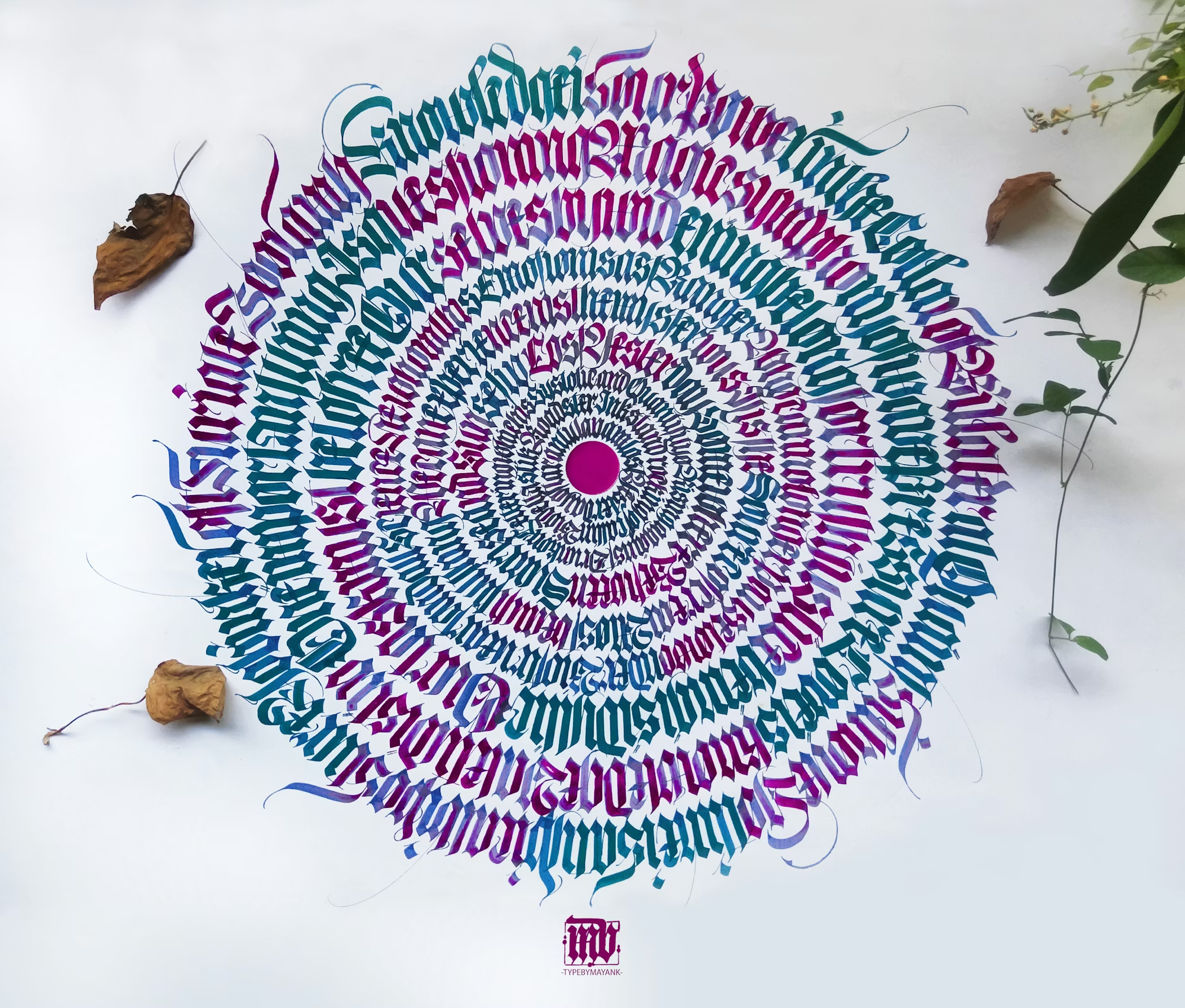
The Art of Meditation: A Journey Toward Emotional Balance and Clarity
In an era characterized by rapid change and constant stimulation, many individuals are turning to meditation as a means of fostering emotional balance and clarity. With its roots in ancient spiritual traditions, meditation has gained popularity as a powerful tool for personal growth and mental well-being. This article will explore the various forms of meditation, their unique benefits, and how they can contribute to a more balanced emotional state.
Meditation encompasses a diverse array of practices, each designed to cultivate mindfulness and enhance emotional resilience. One of the most accessible forms is Mindfulness Meditation, which emphasizes being fully present in the moment. By focusing on the breath and observing thoughts without judgment, practitioners can develop a deeper understanding of their emotional patterns. This heightened awareness allows individuals to respond to emotions more skillfully, rather than reacting impulsively. Studies have shown that regular mindfulness practice can lead to reductions in stress and anxiety, fostering a greater sense of emotional stability.
Loving-Kindness Meditation, also known as Metta, is another impactful practice that promotes emotional well-being. This form of meditation involves cultivating feelings of compassion and goodwill toward oneself and others. Practitioners typically repeat phrases expressing kindness and positive intentions, first directing them at themselves and then extending them to loved ones and even those they find challenging. This practice has been linked to increased feelings of happiness and social connectedness, as it encourages a more empathetic and compassionate mindset. By regularly engaging in loving-kindness meditation, individuals can enhance their emotional resilience and create a supportive inner dialogue.
Body Scan Meditation focuses on cultivating awareness of bodily sensations, which can significantly enhance emotional regulation. This technique involves systematically directing attention through different parts of the body, allowing individuals to identify areas of tension and release them. By fostering a connection between the mind and body, practitioners can gain insights into how emotions manifest physically. Body scan meditation promotes relaxation and helps individuals develop a greater awareness of their emotional states, ultimately contributing to a more balanced approach to life.
Zen Meditation, or Zazen, offers a unique perspective on emotional awareness. This seated meditation practice encourages practitioners to observe their thoughts without attachment, fostering a sense of acceptance and inner calm. By quieting the mind, individuals can create space for self-reflection and insight. Zen meditation teaches the importance of patience and stillness, qualities that can enhance emotional clarity and promote a more thoughtful response to life’s challenges.
Guided Visualization is another valuable practice that can support emotional well-being. This form of meditation typically involves following verbal instructions from a teacher or recorded audio, leading practitioners through a mental journey. By creating vivid mental images of peaceful scenarios, individuals can cultivate feelings of calm and relaxation. Guided visualization can be particularly beneficial for those seeking to reduce stress and enhance their emotional resilience. This practice allows individuals to envision positive outcomes and build a more hopeful outlook on life.
Breath Awareness Meditation centers around the natural rhythm of breathing, encouraging practitioners to observe each inhalation and exhalation. This simple yet profound practice fosters mindfulness and promotes relaxation, providing a solid foundation for emotional balance. By bringing attention to the breath, individuals can cultivate a sense of calm that can be accessed in moments of stress or anxiety. Breath awareness helps ground individuals, enabling them to respond to emotions with clarity and composure.
Chakra Meditation offers a holistic approach to emotional well-being by focusing on the seven energy centers within the body. Each chakra is associated with specific qualities and emotions, and balancing these energy centers can lead to improved emotional health. Practitioners often visualize each chakra’s corresponding color and attributes, promoting a sense of harmony and alignment. By addressing emotional blockages and fostering energy flow, chakra meditation can help individuals cultivate a deeper connection to their emotions and enhance overall well-being.
Finally, Mantra Meditation involves the repetition of a specific word, phrase, or sound to foster focus and tranquility. This technique can be particularly effective for individuals seeking to quiet their minds and create a sense of emotional balance. The rhythmic repetition of a mantra serves as an anchor, allowing practitioners to transcend distracting thoughts and connect with their inner selves. Regular practice of mantra meditation can enhance emotional stability, providing individuals with tools to navigate life’s ups and downs with grace.
Incorporating meditation into daily life can lead to profound changes in emotional well-being. The journey toward emotional balance is not solely about finding stillness; it also involves cultivating awareness and compassion. Each form of meditation offers unique insights that can support personal growth and self-discovery. By exploring these practices, individuals can develop a greater understanding of their emotional landscapes and learn to respond to their feelings with greater awareness.
Meditation fosters a sense of community and connectedness, both to oneself and to others. As individuals engage in these practices, they often find that their relationships improve as well. By cultivating compassion and empathy through loving-kindness meditation, for instance, practitioners can create stronger bonds with those around them. This interconnectedness enhances emotional well-being and fosters a supportive environment for personal growth.
In conclusion, the art of meditation provides a pathway to emotional balance and clarity. Through practices such as mindfulness, loving-kindness, body scan, Zen, guided visualization, breath awareness, chakra meditation, and mantra meditation, individuals can enhance their emotional resilience and well-being. As you embark on this journey, remember that consistency is key; even a few minutes of meditation each day can lead to significant improvements in emotional health. By embracing the transformative power of meditation, individuals can cultivate a deeper connection to themselves and navigate life’s challenges with greater ease.
